Wood furniture benefits from a thoughtfully chosen wax that nourishes, protects, and enhances grain. The right wax can add a soft luster, guard against drying, and extend the life of antique and modern pieces alike. Below are five top picks, each offering distinct blends of beeswax, carnauba wax, and natural oils to meet varied woods and finishes. This guide compares features, application notes, and usage goals to help American homeowners pick the best wax for their furniture care routines.
| Product | Brand | Size | Key Benefit |
|---|---|---|---|
| Howard Beeswax Wood Polish & Conditioner, Feed-N-Wax, 16 Oz | HOWARD | 16 oz | Deep conditioning with Carnauba and Beeswax |
| The Original Bee’s Wax Old World Formula Furniture Polish – 2 Pack | The Original Bee’s Wax | 2 x 8 oz approx | Multi-surface polish with no wax buildup |
| Howard Feed-N-Wax Wood Polish & Conditioner, 8 oz | HOWARD | 8 oz | Gentle conditioning and glow for finished woods |
| Wood Finishing Wax for Furniture – 3.5 Oz (Clear) | DWIL | 3.5 oz | Natural, plant-based formula for durable seal |
| Daddy Van’s All Natural Beeswax Furniture Polish – Unscented | Daddy Van’s | Varies by kit | All-natural, food-safe, non-toxic protection |
Howard Beeswax Wood Polish & Conditioner (16 Oz)
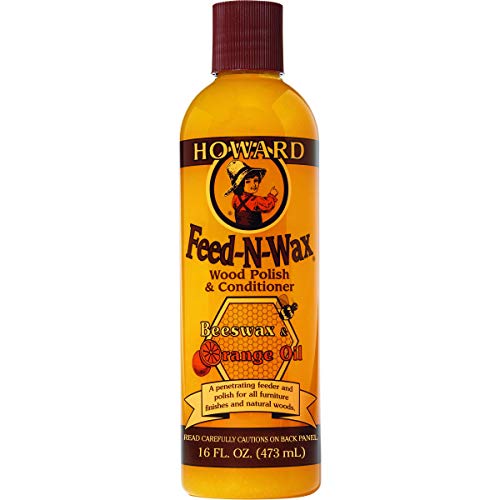
Howard’s Beeswax Wood Polish blends carnauba wax with beeswax and natural conditioning oils to deliver a soft luster across wood surfaces. This formula feeds wood fibers, helping prevent drying and fading while enhancing grain depth in both finished and unfinished pieces. It is suitable for a range of furniture types, including antiques and modern cabinets, providing a protective coating without leaving heavy buildup.
Old World Formula Furniture Polish – 2 Pack
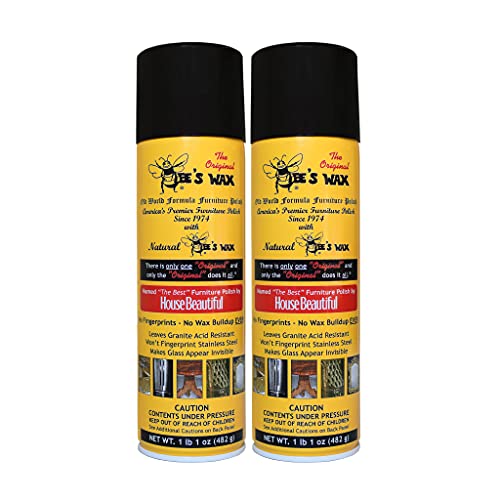
The Original Bee’s Wax Old World Formula is a versatile polish designed for multiple surfaces, including wood, leather, marble, and metal accents. It leaves no fingerprint marks and minimizes wax buildup over time. The two-pack provides ongoing coverage for households with several wood pieces, helping maintain a uniform finish without frequent reapplication.
Howard Feed-N-Wax Wood Polish & Conditioner (8 oz)

This streamlined size offers the same benefits as the larger option: a blend of beeswax, carnauba wax, and orange oil to nourish wood and illuminate grain. It acts as a polish and conditioner suitable for antiques, dining tables, kitchen cabinets, wood doors, and trim. The product emphasizes enhancing natural beauty while providing a durable protective layer.
DWIL Wood Finishing Wax (3.5 Oz)

DWIL’s Wood Finishing Wax is marketed as a 100% natural, eco-safe formula crafted from plant-based oils, carnauba, and beeswax. It provides a durable seal that protects indoor and outdoor wood surfaces, helping to restore and preserve the appearance of older or damaged finishes. The product emphasizes compatibility with both furniture and floors, offering a versatile protective layer.
Daddy Van’s All Natural Beeswax Polish – Unscented
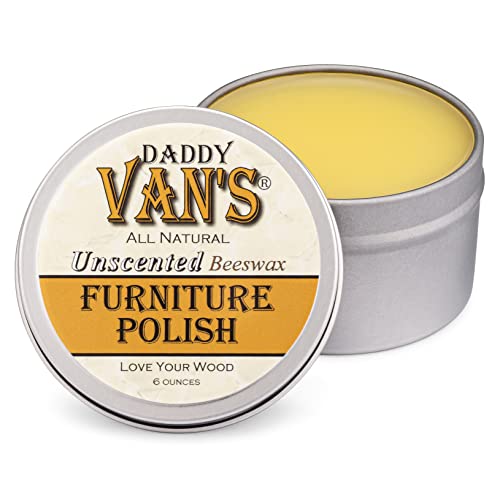
Daddy Van’s Unscented Beeswax Polish uses a clean, non-toxic blend of beeswax and carnauba to nourish and protect wood surfaces, including butcher blocks and cabinetry. The unscented formula makes it a practical choice for kitchens and dining areas, delivering a durable finish that enhances grain while maintaining a safe, food-related environment. It suits antiques, cabinets, and high-traffic wood surfaces requiring gentle care.
Buying Guide: Key Purchase Considerations
When choosing a wax for wood furniture, consider the following factors to match your needs with the right product:
- Wood type and finish: For bare or unfinished wood, a conditioning wax with oils helps feed the wood. For already sealed surfaces, a maintenance wax with a light feel is ideal to avoid buildup.
- Sheen and depth: Beeswax-carnauba blends tend to deepen grain and add a warm gloss without looking artificial. If you want a more matte, natural look, opt for lighter formulations or waxes marketed as “natural” or “unscented.”
- Food-safety and scents: Unscented, food-safe options are best for kitchen furniture and cutting blocks. Non-toxic formulas reduce exposure to harsh chemicals in busy homes.
- Durability vs. maintenance: Heavier wax films offer stronger protection for high-traffic areas, but may require more frequent removal and reapplication. Lighter waxes are easier to refresh.
- Application method: Some products require long cure times or multiple steps (cleaning, applying, buffing). Others are straightforward polishes that enhance shine with a single wipe.
- Environment and safety: Look for eco-friendly, plant-based formulations if indoor air quality is a priority and you prefer non-toxic results.
- Value and packaging: A larger size or multi-pack can be cost-effective for sustaining a routine across multiple pieces, while smaller sizes suit single-piece maintenance.
Usage Tips and Best Practices
- Always clean dust and dirt before applying wax to ensure even coverage.
- Test wax on a small, inconspicuous area to observe color and sheen changes.
- Apply a thin layer and buff gently to a soft glow; heavy layers can trap dust and create a cloudy finish.
- Reapply periodically based on wear, exposure to sunlight, and humidity levels to maintain protection.
- Store waxes in a cool, dry place away from direct sunlight to preserve consistency and performance.