Finding the right chair can be a game changer for back comfort during long workdays. Below is a curated selection of ergonomic chairs designed to support the spine, reduce pressure, and adapt to different body types. Each option prioritizes lumbar support, breathable materials, and adjustable features to fit various work setups. Explore five chairs that balance posture benefits with day-long comfort, plus a buying guide to help compare features like lumbar adjustability, seat depth, and armrest design.
| Product | Brand | Key Benefit |
|---|---|---|
| ELABEST X100 Ergonomic Office Chair | ELABEST | Dynamic 3D lumbar support and flip-up arms |
| GTRACING Big and Tall Chair | GTRACING | Heavy-duty 400 lbs capacity with lumbar support |
| CAPOT Ergonomic Mesh Office Chair | CAPOT | Micro-adjust lumbar, breathable Aerovith seat |
| GABRYLLY Ergonomic Office Chair | GABRYLLY | High back with headrest and flip-up arms |
| Marsail Ergonomic Office Chair | Marsail | Adjustable 2D headrest and 3D armrests |
ELABEST X100 Ergonomic Office Chair

ELABEST X100 offers dynamic 3D lumbar support with a lockable depth spring and height tracking to mimic the spine’s natural curvature. It features 5D flip-up armrests with skin-friendly padding and a wide 3D headrest. The chair includes a space-saving fold mechanism to tuck under desks, making it suitable for tighter home offices. The seat and back are designed for extended fatigue reduction, certified to support long sessions with comfort and stability.
GTRACING Big And Tall Gaming Chair

Designed for heavier users, the GTRACING chair supports up to 400 lbs and includes a thicker headrest and broader backrest with 360° pressure distribution. Its dual-layer back cushion and 3D saddle-shaped seat promote lumbar and hip support, potentially reducing fatigue in longer work sessions. The deluxe PU leather provides a polished look and easy maintenance, blending comfort with durability for a gaming or office setup.
CAPOT Ergonomic Mesh Office Chair

CAPOT emphasizes micro-adjustable lumbar support across eight levels, enabling precise alignment with the lower back. It features a larger Aerovith mesh seat for cooling and pressure relief, plus 4D flip-up arms to maximize workspace flexibility. The chair is designed for long periods at a desk and carries BIFMA X5.1 certification to indicate reliability and durability in a home or office setting.
GABRYLLY Ergonomic Office Chair
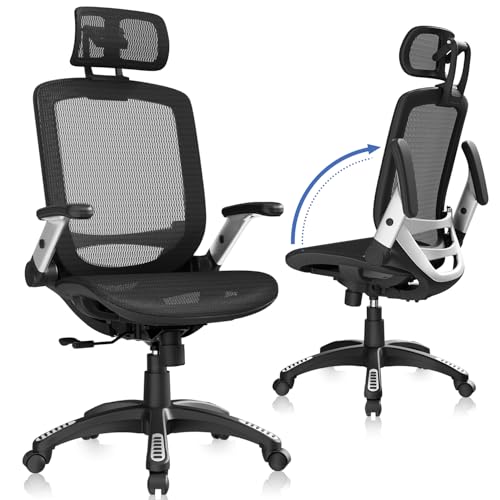
GABRYLLY provides a high-backed design with a headrest and 90-120° tilt range, aided by flip-up arms for space-saving setups. It supports up to 400 lbs and offers adjustable height and backrest tension. The chair is built for long hours with a focus on distributing weight across the hips, back, and shoulders to help minimize pressure points and fatigue.
Marsail Ergonomic Office Chair

Marsail combines a high-back mesh with an adjustable 2D headrest and 3D armrests, enabling postural customization for different tasks. The lumbar support system allows forward/backward and up/down adjustments to fit unique back curves. Its breathable mesh back helps maintain comfortable temperatures during long work periods, offering a balance of support and airflow.
Buying Guide: Key Purchase Considerations And Comparisons
Ergonomic goals vary, so consider the following when choosing a chair for back pain relief:
- Lumbar support: Look for adjustable lumbar depth and height to align with the natural inward curve of your spine. A chair with a responsive lumbar mechanism can significantly reduce lower-back strain.
- Backrest design: A tall backrest that supports the upper back and neck helps maintain posture during long sessions. Mesh backs provide airflow, while cushioned backs offer firmer support.
- Seat comfort and depth: A contoured seat cushion with adequate depth prevents pressure on the thighs. Consider seat foam density and pressure distribution for all-day comfort.
- Armrests: Adjustable flip-up or multi-directional arms allow you to tuck chairs under desks and reduce shoulder tension. Ensure arms can be positioned to align with desk height and your natural arm angle.
- Adjustability range: Chairs with multiple axes of adjustment (seat height, tilt, headrest, armrests) enable precise customization for different users and tasks.
- Weight capacity and build quality: For bigger users, choose chairs rated for higher weight limits and reinforced frames. Certifications like BIFMA can signal durability.
- Materials and maintenance: Breathable mesh helps with heat and moisture, while PU leather and foam should be tested for wear and cleaning ease if you prefer a low-maintenance option.
- Usage context: Home office, gaming, or study chairs may emphasize different features—saddle cushions, tilt ranges, or headrests may appeal based on your primary activities.
When comparing options, balance comfort features with durability and the size of the user. For example, big-and-tall models typically offer stronger frames and wider seats, while chairs with dynamic lumbar support provide ongoing alignment benefits. Always test adjustability in a real setting if possible, or choose models with robust return policies.