Oak cabinets bring a classic, warm look to kitchens and other spaces, but choosing the right stain can be challenging. This guide highlights top oak-friendly stains that balance color, durability, and ease of application. Each option is suitable for interior cabinetry, with finishes ranging from natural to rich golden hues. Read on to compare products, features, and practical tips to help you achieve a professional-looking result without costly refinishing.
| Product | Brand | Finish/Color | Size |
|---|---|---|---|
| Wood Finish, Golden Oak Stain | Minwax | Golden Oak | Quart |
| Wood Finish, Golden Oak Stain | Minwax | Golden Oak | Half Pint |
| Water Based Wood Stain, Natural Oak | DWIL | Natural Oak | 8.5 oz |
| Wood Stain, Natural Oak | Furniture Clinic | Natural Oak | 8.5 oz |
| Less Mess Wood Stain, Golden Oak | Varathane | Golden Oak | 4 oz |
Minwax Golden Oak Wood Finish, Quart
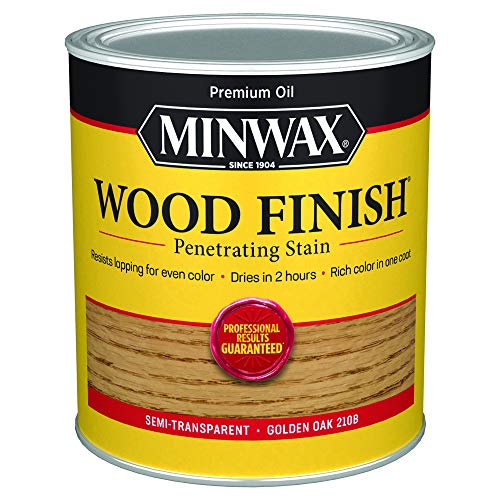
Minwax Wood Finish is a deep-penetrating oil-based stain designed to enrich oak with a warm, even color while highlighting natural grain. It dries in about two hours and penetrates wood pores within five minutes of application. Ideal for interior cabinetry, furniture, and doors, it provides rich tone in a single coat, with longer waiting times yielding darker results. Easy to apply using a cloth or brush, it works well for coating oak cabinet surfaces in one pass.
Minwax Golden Oak Wood Finish, Half Pint
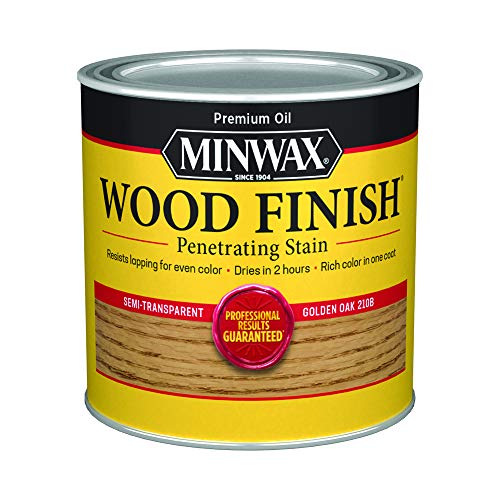
This smaller can variant of the classic Minwax Golden Oak offers similar color depth and penetration in a more compact size. It’s suited for touch-ups or smaller cabinet projects, delivering quick-drying performance and a protective seal when paired with compatible topcoats. The oil-based formula enhances grain and provides a smooth, even finish, making it a versatile choice for oak cabinetry refinishing in kitchens and baths.
DWIL Water Based Natural Oak Stain

DWIL’s water-based stain offers a single-coat application with a natural matte finish and broad coverage. It’s designed for both indoor and outdoor wood, including cabinets, furniture, and paneling. The low odor formula is non-toxic and safe for homes with pets, making it a practical choice for kitchen remodels where odor and ease-of-cleanup matter. It dries quickly and provides even color penetration with minimal prep work.
Furniture Clinic Natural Oak Wood Stain

Furniture Clinic’s water-based stain emphasizes quick drying and strong color penetration with a natural matte finish. It’s available in 12 colors, including several oak tones, and is formulated for both indoor and outdoor wood surfaces. The product emphasizes environmental friendliness and easy cleanup, with coverage suitable for cabinets and furniture projects, making it a practical option for complete cabinet refinishing or touch-ups.
Heirloom Traditions All-in-One Gel Stain, Toasted Oak

This gel stain from Heirloom Traditions provides multi-surface use with a forgiving application. It’s designed for interior and exterior use and can be applied to wood, metal, and even leather. The gel formula allows for more control on vertical surfaces like cabinet doors, reducing blotching on oak. While it offers a unique finish, testers should verify color accuracy against oak samples due to screen variations.
Varathane Golden Oak Less Mess Wood Stain & Applicator

Varathane’s 2-in-1 stain and applicator simplifies small cabinet projects. With a Golden Oak color, this water-based, low-odor option is easy to use and cleanup-friendly, making it suitable for DIY cabinet refinishing. The compact bottle is ideal for touch-ups or partial cabinet updates where precise color matching is desired.
DWIL Dark Oak Water Based Wood Stain

DWIL’s Dark Oak variant provides a deeper, richer hue that’s ideal for dramatic oak cabinet transformations. It shares the brand’s positive attributes: water-based, fast-drying, low odor, and non-toxic. This option supports color depth for vintage or traditional kitchen looks while maintaining ease of cleanup and application.
Buying Guide: Key Purchase Considerations
- Finish type: Oil-based stains tend to yield richer colors and penetration but require solvents and longer curing times. Water-based stains dry faster, have lower odor, and are easier to clean up, though color depth may differ slightly from oil-based options.
- Color depth and grain: Oak’s prominent grain benefits from stains that highlight grain without blotching. Test on scrap or inconspicuous areas to gauge how the stain interacts with oak pores.
- Application method: Ranging from brushes and rags to built-in applicators, choose a product that aligns with your comfort level and cabinet geometry. Gel stains offer more control on vertical surfaces; traditional stains work well on flat doors.
- Drying and recoat windows: Quick-drying formulas enable faster project completion, but ensure proper curing before applying topcoats. For deeper color, multiple thin coats often yield better results than a single heavy coat.
- Topcoat compatibility: Match the stain with a compatible polyurethane, polyurethane oil-based, or water-based topcoat to ensure color stability and durability for high-traffic areas.
- Odor and safety: For kitchens and homes with sensitivities, prefer low-odor, low-VOC, and non-toxic stains. Always ventilate work areas and follow label directions.
- Surface prep: Light sanding, cleaning, and removing dust help achieve uniform color. Oak’s open pores can absorb unevenly if the surface isn’t properly prepped.
- Maintenance: Recoating or touch-ups may be needed as cabinets age or faces wear. Consider stain durability and ease of refresh when selecting a long‑term option.
These selections provide a range of color outcomes and formulations to suit oak cabinet refinishing projects. When choosing, consider room usage, existing finishes, and whether you prefer oil-based depth or the simplicity of water-based formulas. Always perform a test on a hidden area to confirm color and compatibility with topcoats before proceeding to full cabinets.