Finding the right chair for kids with ADHD or sensory needs can improve focus, posture, and overall comfort during study and play. The following selected chairs are designed to support movement, balance, and concentration through gentle, controlled seating. This guide highlights five popular options, outlining their features and how they address common challenges from restlessness to sensory processing. Read on to compare design approaches, safety considerations, and how to choose the best match for your child’s needs.
| Product | Brand | Key Benefit |
|---|---|---|
| Zhenx Spinning Chair for Autistic Kids | Zhenx | 360° rotation for balance and focus |
| FERUERW Spinning Chair for Autistic Kids | FERUERW | Gentle spinning with safe base |
| Studico ActiveChairs Wobble Chair | Studico | Dynamic seating to aid attention |
| Pterying 21″ L × 19″ W Spinning Chair | Pterying | Versatile spinning for movement and coordination |
| KidBloom Spinning Chair for Autistic Kids | KidBloom | Safe handles and silent rotation |
Zhenx Spinning Chair for Autistic Kids

The Zhenx sensory chair is designed to encourage direction sense and balance through controlled rotation. Children can explore different seating positions by swinging and rotating, which may help with focus and body awareness during activities. The chair uses a sturdy metal base rated to support up to 220 pounds, with non-slip feet to enhance stability. Made from high-quality polyethylene, it offers 360° rotation with a smooth surface that supports heat resistance and durability. Its design emphasizes safety and straightforward cleaning, making it suitable for daily use in homes or classrooms.
Key considerations include weight capacity, stability, and maintenance. The 360° spin fosters vestibular input that can aid attention, but supervising younger children during initial use is advisable. The chair’s simple silhouette and easy-to-clean materials support active play while keeping the user comfortable during longer sessions. For families seeking a true sensory swivel chair with a focus on safety and durability, this option provides a practical balance of features.
FERUERW Spinning Chair for Autistic Kids
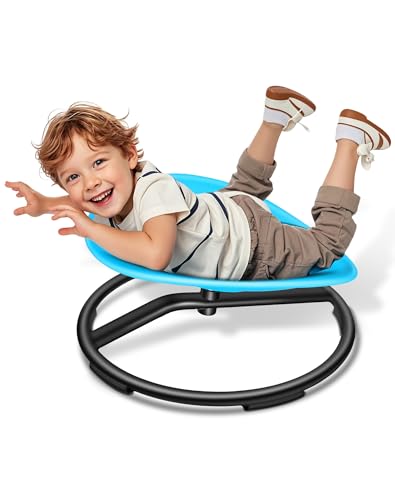
FERUERW presents a sensory swivel chair with a focus on balance and safe movement. The chair supports up to 100 kilograms (approximately 220 pounds) through a sturdy metal base and anti-slip design. The combination of a comfortable ergonomic shell and a rotation mechanism offers vestibular input that can support coordination and concentration, particularly for children who benefit from movement while seated. The model emphasizes a playful vibe in its appearance, designed to appeal to kids while delivering a practical solution for classrooms or homes.
When evaluating this option, consider the balance between motion and noise, as some children respond well to continuous spinning while others prefer occasional rotation. The chair’s materials are selected for durability and ease of cleaning, which is useful for active kids. Overall, FERUERW strikes a middle ground between emphasis on safety features and engaging design for kids who enjoy dynamic seating experiences.
Studico ActiveChairs Wobble Chair
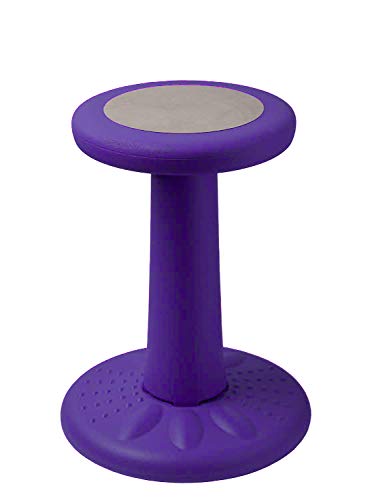
The Studico wobble chair is designed to help kids express energy through controlled wobble and tilt while staying seated. This feature can contribute to improved focus by allowing movement without leaving the chair. The chair is described as easy to assemble, making it a convenient option for classrooms or home desks. It includes a cushioned top for comfort, a textured base for foot stimulation, and a non-slip bottom for stability on various floor surfaces. Its design aims to support posture and engagement without creating distractions for peers nearby.
Key considerations include durability for growing children and the chair’s weight capacity. The Studico model is particularly suited for younger students who need a gentle movement option that still fits standard desks. It balances simplicity with the sensory benefits of an active seat, making it a practical choice for busy classrooms or quiet study corners at home.
Pterying Large Spinning Chair for Autistic Kids

Pterying offers a large-size spinning chair designed to support vestibular development and motor coordination. Its double-function design enables rotation while seated, kneeling, or lying down, making it versatile for different activities. The chair is built with premium PP material in a heat- and corrosion-resistant construction, paired with a sturdy metal base capable of withstanding substantial weight. The product highlights a focus on safety through thicker edges and a robust frame, which can be helpful for children who require more space or varied positions during sensory play or seated tasks.
Considerations include space needs and the level of motion your child prefers. The chair’s versatility makes it adaptable for different activities beyond traditional seating, but its footprint should align with the available room in a classroom or play area. The durable construction aims to provide long-term use, reducing the need for frequent replacements in busy environments.
KidBloom Spinning Chair for Autistic Kids

KidBloom’s spinning chair emphasizes safety with a dual-handle design that offers a stable grip during spins and movements. The design targets a supportive spinning experience with a silent 360° swivel mechanism and a robust anti-slip base, enabling smooth operation without excessive noise. The setup is intended to accommodate up to 220 pounds, providing versatility for a range of pediatric users. Its reflective diamond-pattern panel adds visual interest and may enhance sensory engagement while seated.
For families evaluating this option, the emphasis on safety features and quiet operation can be beneficial in shared spaces like classrooms or therapy rooms. The dual handles may provide added confidence for younger children who are still mastering balance. Noise control and stability are key advantages when considering a chair that will be used during study or quiet time.
Buying Guide: How To Choose The Right ADHD Chair For Kids
Selection should align with a child’s specific sensory needs, activity level, and the setting where the chair will be used. Consider the following dimensions to compare options and identify the best fit.
- Movement Type: Decide between spinning, wobble, or a hybrid design. Some children benefit from continuous rotation for vestibular input, while others prefer gentle tilting or the option to stop motion during focus tasks.
- Weight Capacity: Ensure the chair can safely accommodate your child’s current and anticipated future weight. A higher capacity reduces the risk of instability as kids grow.
- Stability And Safety: Look for non-slip bases, rounded edges, and sturdy constructions. Metal bases tend to offer durability, but plastic components should be tested for fatigue resistance.
- Comfort And Posture: A cushioned seat, ergonomic support, and an appropriate height relative to your child’s desk or activity surface can influence focus and endurance during longer sessions.
- Ease Of Cleaning: For active kids, chairs with smooth surfaces and simple assembly are easier to maintain and keep hygienic.
- Noise Levels: Some children are sensitive to sound. Chairs with quiet rotation and minimal mechanical noise can reduce distractions in classrooms or shared spaces.
- Durability For Busy Environments: Consider materials and weld quality, especially for chairs intended for daily use by children who move vigorously.
- Size And Fit: Ensure the chair dimensions work with your child’s height and leg length, so feet reach the floor or footrest comfortably during study tasks.
Usage context matters. In home settings, a chair that blends with existing furniture and is easy to relocate can be ideal. In classrooms, durability, ease of cleaning, and stability may drive the decision. For therapy or sensory rooms, chairs that provide varied input (spinning, wobble, kneeling) can complement other tools like therapy balls or fidget devices. Finally, involve the child in trying different options when possible, as comfort and personal preference play a critical role in sustained use and effectiveness.