Finding an ergonomic stool that fits a desk setup can reduce fatigue and promote better posture during long work sessions. This guide highlights five highly relevant options, comparing adjustability, support, and comfort. Each pick is designed to support active sitting, whether you alternate between sitting and standing or prefer a wobble-style chair to keep core muscles engaged.
| Product | Brand | Key Benefit |
|---|---|---|
| SONGMICS Standing Desk Chair | SONGMICS | 8-degree tilt for upright posture |
| Backerz Standing Desk Stool Chair | Backerz | Height adjustable with modern design |
| Learniture Adjustable Height Active Stool | Learniture | Active learning with rock-and-tilt motion |
| Storex Active Tilt Stool | Storex | Flexible height and portable features |
| IWMH Standing Desk Stool | IWMH | Lumbar support with footrest |
These stools span a range of styles from height-adjustable drafting chairs to wobble stools with rocking motion. Read on to see how each model supports posture, movement, and comfortable all-day use in varied work environments.
SONGMICS Standing Desk Chair: Adjustable Wobble Stool

The SONGMICS UOSC02BK offers an 8-degree tilt designed to combat stiff sitting positions and encourage an upright posture. The height range from 23.6 to 33.3 inches accommodates both seated and standing desk setups. A plush seat uses high-density reflex foam for comfort, while an inclined column helps align the spine. An anti-slip bottom pad adds stability on various floor surfaces. This stool supports active movement during long work sessions and is suitable for offices, kitchens, or reception areas.
Backerz Standing Desk Stool Chair

Backerz combines height adaptability with a sleek look. The chair is designed for desks ranging from standard to standing heights, with dual height settings and an ergonomic swivel feature. Its modern matte finish (black or white options) integrates into contemporary offices. The seat height adjusts via under-seat controls, letting users tailor posture whether sitting or alternating with standing tasks, while a solid base provides balanced support for extended sessions.
Learniture Adjustable Height Active Learning Stool
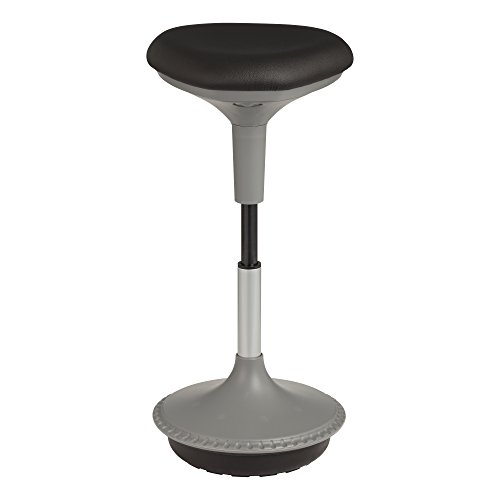
Learniture’s adjustable-height active stool emphasizes motion to boost focus. The 12.625-inch wide foam-padded seat sits on a curved base that supports up to 265 lbs. Its slight rocking motion encourages active engagement with tasks, while the backless design promotes core strength and posture awareness during desk work or group activities in classrooms or offices.
Storex Active Tilt Stool

Storex’s active tilt stool emphasizes posture with an angled base and adjustable height from 12 to 24 inches. The design includes integrated handles for portability and easy carrying. This stool supports flexible configurations for flexible office spaces and standing desks, making it a practical option for classrooms or home offices seeking light, mobile seating with posture benefits.
IWMH Standing Desk Stool

IWMH offers an ergonomic design with lumbar support and a built-in footrest, aimed at reducing fatigue during long desk tasks. Height adjustment ranges from 25.59 to 33.46 inches, accommodating standard and standing desks. The seat uses high-density foam to maintain comfort and resilience, supporting sustained leaning and upright postures with a focus on maintaining circulation during extended work periods.
Vari Active Seat: Fully Assembled Ergonomic Stool
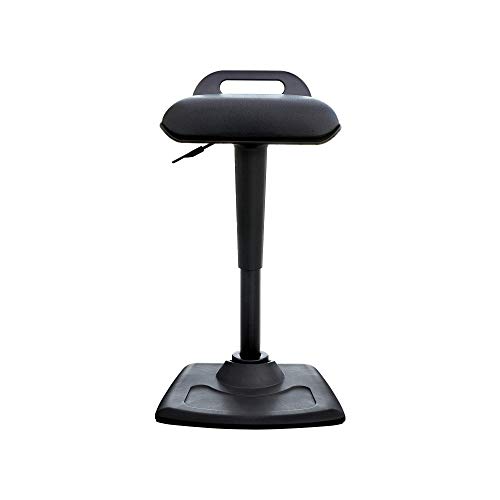
Vari’s active seat is fully assembled and designed for versatile use at desks, home offices, classrooms, or studios. It supports dynamic movement with a robust pedestal and air-lift piston, allowing tilting and rotation to engage the core. The stool supports up to 250 lbs, balancing durability with the flexibility needed for active sitting in varied environments.
Buying Guide
Key factors when choosing an ergonomic desk stool include adjustability, posture support, and movement potential. Look for a stool with an appropriate height range to align hips, spine, and feet floor-surface contact. A slight tilt or rocking mechanism can encourage core engagement but should not compromise stability. Seat padding should balance firmness and comfort, while a wide, supportive backless or lumbar-supported design can reduce lower-back strain. Consider floor compatibility (carpet vs. hard floors) and whether a stool offers portability through integrated handles. Finally, assess durability, load capacity, and whether the design complements your workspace aesthetics.
For different workstyles, these options provide varied advantages:
- Wobble and tilt stools (SONGMICS, Learniture) promote active sitting and engagement with posture.
- Height-adjustable stools (Backerz, Storex) suit mixed desk configurations and shared spaces.
- Lumbar-supported stools (IWMH) help reduce lower-back strain during lengthy tasks.
- Fully assembled, portable stools (Vari) offer quick setup for flexible environments.
Consider testing the height range against your desk or standing desk platform, ensuring foot placement remains ergonomic and comfortable. If you sit for extended periods, prioritize models with firm seating and stable bases to minimize wobble-related hazards. For classrooms or collaborative spaces, a lighter, portable stool with easy height adjustment can facilitate flexible seating arrangements without sacrificing posture benefits.