Finding the right foot rest can help guitarists maintain proper posture, reduce wrist strain, and support longer practice sessions or performances. This guide reviews five well-regarded options, highlighting stability, adjustability, and comfort to help you choose the best fit for your playing style. Below is a quick reference table of the selected models, followed by detailed product sections and a practical buying guide.
| Product | Brand | Height Range | Adjustability | Notes |
|---|---|---|---|---|
| Tetra-Teknica Essentials Series GFR-01 | Tetra-Teknica | 4.5″–9.5″ | 6 positions | Non-slip surface; sturdy metal frame |
| CAHAYA Guitar Foot Rest Stool (Black) | CAHAYA | 6 levels | 6 positions | Guitar pattern surface; non-slip |
| Gator Frameworks GFW-GTR-FOOTREST | Gator Frameworks | 5″–9.5″ | 5 positions | Folds flat; rubberized pad |
| Donner Guitar Foot Stool | Donner | 10 cm–27 cm | 6 heights | Sturdy with rubber end caps |
| Salvori Guitar Enlarge Foot Stool | Salvori | Five tiers | Five heights | High solidity; non-slip coating |
Tetra-Teknica Essentials Series GFR-01 Foot Rest
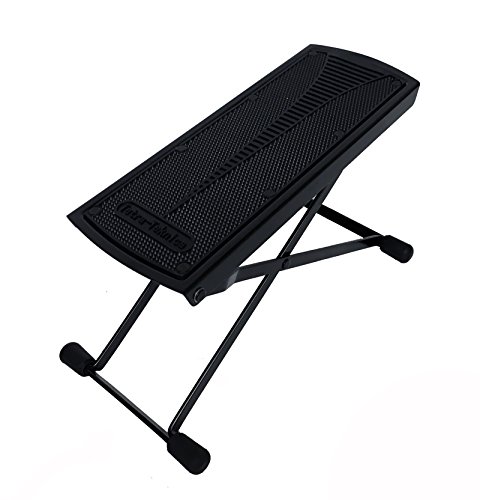
The Tetra-Teknica GFR-01 offers a six-position height range from 4.5″ to 9.5″, crafted with a sturdy metal frame and a non-slip rubber surface. Its compact 4″ width ensures it fits under most chairs without crowding, making it suitable for home studios and small practice spaces. The adjustable design supports various leg lengths and playing positions, helping reduce shoulder and back tension during long sessions.
CAHAYA Guitar Foot Rest Stool (Black)

The CAHAYA footrest features a guitar-patterned surface with a non-slip silicone coating for secure footing. It provides six height options, making it versatile for players of different statures and playing styles. Built with durable metal, it offers long-term stability and reliable support through extended practice sessions or live performances.
Gator Frameworks GFW-GTR-FOOTREST

Gator Frameworks provides five height settings ranging from 5″ to 9.5″, plus a compact, portable design that folds flat for transport. A rubberized top pad improves stability and comfort, making it a practical option for quick setup on stage or in a practice room. The foldable feature helps save space when not in use.
Donner Guitar Foot Stool

Donner’s adjustable foot stool offers six height settings with a maximum height of 27 cm and a minimum height of 10 cm. Rubber end caps and a non-slip pad enhance stability on a variety of surfaces, while a sturdy build supports comfortable, relaxed playing posture during sessions of any length.
Guitar Foot Rest Stool By DUMEALAGR
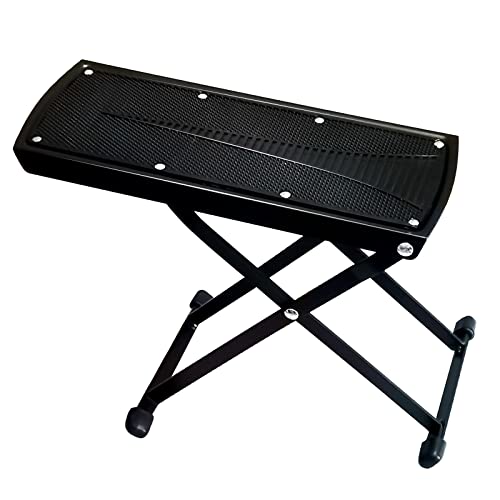
Featuring six height positions with a maximum height of 27 cm, this stool emphasizes stability through rubber end caps and a non-slip surface. The heavy-duty construction aims to provide a solid, steady base for players who demand consistent foot support during demanding practice sessions or performances.
Salvori Guitar Enlarged Foot Stool
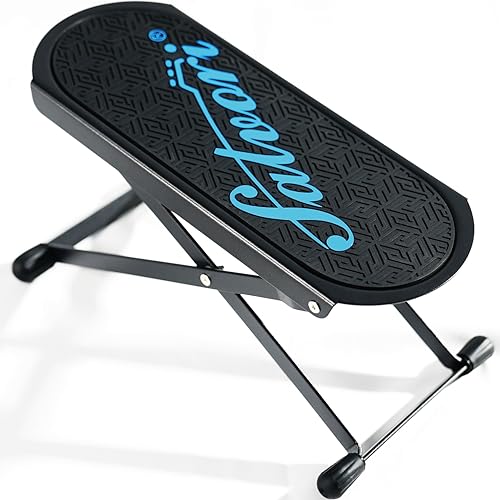
Salvori combines a robust metal construction with a five-tier height adjustment system, delivering strong support for extended practicing and performance times. The surface includes a premium non-slip silicone coating to keep the guitarist’s foot secure, reducing movement and distractions during play.
CAHAYA Guitar Foot Stool Cy0337

CAHAYA’s folding footrest provides six height adjustments and a non-slip rubber pad for secure footing. Built with a durable metal frame, it is designed to withstand long playing sessions while maintaining stability and user comfort during practice or gigs.
Buying Guide: Key Purchase Considerations
- Height range and adjustability: Determine the height that best aligns with your chair and guitar playing posture. More height options offer better customization for different leg lengths and seating positions.
- Stability and surface grip: Look for a rubberized or silicone-top surface to minimize foot slippage. A sturdy metal frame and rubber end caps improve overall stability on varied floor surfaces.
- Portability and storage: If you gig or travel frequently, prioritize a foldable design that fits in a gig bag or under seating. Flat-fold capabilities save space between uses.
- Durability and materials: Choose models with heavy-duty metal construction and high-quality coatings to withstand regular use and accidental impacts during transport or setup.
- Posture impact: A well-designed foot rest promotes a natural leg angle, reducing knee, hip, and shoulder strain. Consider a surface with a slight texture or non-slip coating to maintain consistent contact without forcing grip.
- Footrest footprint: Ensure the width and footprint fit your chair and desk arrangement. Narrow rests suit compact spaces, while wider bases may offer more stability for larger footwear.
- Maintenance: Check for easy cleaning surfaces and any removable pads or covers that can be wiped down after practice or gigs.
- Price and warranty: Compare models within your budget and review any included warranties or guarantees, especially for frequent usage or touring scenarios.
Choosing the right foot rest involves balancing adjustability, stability, and portability. For beginners, a model with more height options and excellent grip helps establish a comfortable baseline. For seasoned players or gigging musicians, folding designs with robust construction provide practical durability during travel and live performances. Each option reviewed emphasizes stability and ergonomic support to help users maintain proper posture while playing guitar.