Choosing the right kidney-shaped tables can boost group work, student interaction, and overall classroom layout. The following selections emphasize collaborative design, durable surfaces, and adjustable heights to accommodate growing classrooms. Explore five top options that pair practical features with classroom-friendly aesthetics.
| Product | Brand | Size / Shape | Key Features |
|---|---|---|---|
| Flash Furniture Kidney Shaped Activity Table (Gray) | Flash Furniture | 96″D x 48″W x 25.25″H | Thick high-pressure laminate top; height adjustable preschool legs; ideal for group learning |
| Flash Furniture Mobile Kidney Thermal Laminate Table | Flash Furniture | 48″W x 72″L | Mobile with adjustable legs; scratch and stain resistant surface; great for flexible classrooms |
| Norwood Adjustable-Height Kidney Table | Norwood | 72″ W x 48″ D | Easy-to-clean top; reinforced steel frame; seats many students for larger group activities |
| Correll 48″x72″ Kidney Shaped Classroom Table | CORRELL, INC. | 48″x72″ with height 19″-29″ | Markerboard/dry-erase top; high-pressure laminate; USA-made with adjustable legs |
| Lorell Classroom Kidney Shaped Activity Tabletop | Lorell | Standard kidney shape (tabletop) | Sturdy 1-1/8″ thickness; durable high-pressure laminate; supports collaborative learning |
Flash Furniture Kidney Shaped Activity Table (Gray)

The 96-inch kidney-shaped configuration is designed to maximize group participation while keeping all students within a central field of view. The thick high-pressure laminate top resists wear from markers, crayons, and occasional spills. Height adjustment on preschool legs supports changing classroom needs, allowing teachers to align surfaces with different seating arrangements. This model emphasizes collaborative learning by placing learners in a natural circle, fostering discussion and shared tasks.
Flash Furniture Mobile Kidney Thermal Laminate Table

This mobile option offers a flexible classroom footprint with a kidney shape that encourages group work. The thermal laminate surface provides scratch and stain resistance, making it suitable for high-traffic areas. The standard-height, adjustable legs allow quick reconfiguration for different activities or rotating groups. Ideal for classrooms that rotate between collaborative workshops and direct instruction.
Norwood Adjustable-Height Kidney Activity Table

Norwood’s kidney table blends durability with size versatility, seating seven adults or eight children depending on layout. The sturdy 16-gauge steel frame and 14-gauge legs provide robust support for active classroom use. The laminate tabletop is easy to clean, aiding maintenance in busy environments. Height adjustment enables adapting to students of different ages or teaching formats, supporting inclusive classroom configurations.
Correll 48″x72″ Kidney Shaped Table With Markerboard Top

Correll’s table pairs a high-pressure laminate top with a white dry-erase markerboard surface, encouraging quick idea capture and visual collaboration. The 19″–29″ adjustable height gives flexibility for diverse student groups and teachers. This model also features a durable edge profile and sturdy legs, supporting long-term classroom use in collaborative spaces where students brainstorm and present ideas.
Flash Furniture Kidney Shaped Activity Table (Yellow)
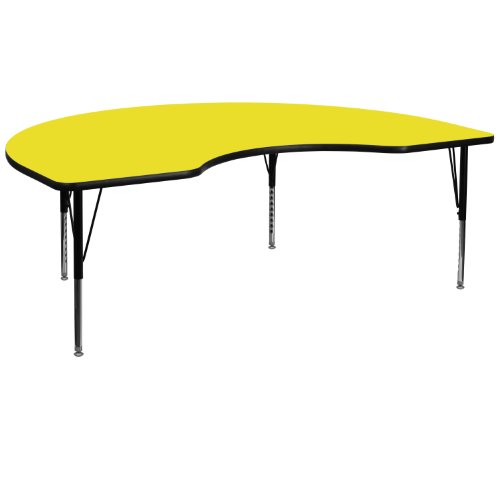
This bold yellow option mirrors the same collaborative kidney shape popular in group activities. The thick laminate top and adjustable preschool legs support ergonomic seating and inclusive group work. The color can aid in classroom zoning or mood-setting, helping teachers designate dedicated collaborative areas within the space.
Buying Guide
Key purchase considerations help educators select the best kidney-shaped tables for their classrooms. The following perspectives cover ergonomics, durability, and layout, ensuring choices support diverse learning activities without sacrificing safety or maintenance ease.
- Group size and layout: For larger groups, consider 72″ to 96″ width tables that seat multiple students in a collaborative circle. Smaller spaces may benefit from standard 48″ widths with modular options.
- Height adjustability: Tables with adjustable legs accommodate growing students and varied seating configurations. A wide adjustment range (roughly 19″ to 29″ or more) enhances inclusivity.
- Surface durability: High-pressure laminate or similar tough surfaces resist scratches, stains, and markers. This eases cleaning between activities and preserves the table’s appearance.
- Mobility vs. stability: Mobile or lightweight frames enable flexible room layouts but may require locking mechanisms to prevent unwanted movement during use. Balance mobility with stability.
- Edge protection and safety: Sealed edges and sturdy legs reduce risk of bumps or sharp corners. Steel frames should be robust for high-traffic environments.
- Markerboard functionality: Tops that double as markerboards support quick note-taking, brainstorming, and student presentations, reducing the need for separate whiteboards.
- Maintenance and cleaning: Surfaces should tolerate everyday classroom messes, including markers, crayons, and food spills. Easy-to-clean materials save time for teachers.
- Durability vs. cost: While premium, heavy-duty options often last longer in active classrooms, evaluate budget against expected lifespan and maintenance needs.
- Assembly and warranty: Check for ease of assembly and availability of replacement parts. A solid warranty protects against manufacturing defects during typical classroom use.
- Accessibility: Ensure the design accommodates students with a range of heights and mobility needs. Adjustable height and ample knee clearance support inclusive seating.
When evaluating options, consider how the table shapes influence collaboration. Kidney-shaped designs naturally encourage peer interactions by placing students in a semicircular arrangement that reduces barriers to communication. The right combination of size, height adjustability, and surface durability can create a flexible learning surface suitable for group projects, centers, and rotating small groups throughout the school day.