Choosing the right rocking chair can support regulation, focus, and comfort for children with autism. This guide highlights seat designs that encourage self-soothing, proprioceptive feedback, and safe play. Each option emphasizes durable construction, ease of use, and sensory-friendly features. Read on to compare five well-suited chairs and find the one that best fits a child’s needs and a family’s space.
| Product | Brand | Key Benefit |
|---|---|---|
| TED KANGAROO CloudBounce Ultra | TED KANGAROO | Multi-sensory, self-soothing, proprioceptive support |
| Sensory Chair for Kids, Inflatable Rocking Chair | Crakrora | Leak-proof, quick inflation, portable |
| Special Supplies Sensory Rocking Chair (Grey) | Special Supplies | Soft fabric, back support, therapeutic rocking |
| PLATPORTS Calming Sensory Rocking Chair | PLATPORTS | Indoor/outdoor flexibility, durable frame |
| Toggloo Sensory Rocker Chair | Toggloo | Inflatable, cloud-like nest, movement variety |
TED KANGAROO CloudBounce Ultra | Sensory Rocker

The CloudBounce Ultra combines patented multi-sensory Ted Airbounce technology with sturdy construction. This inflatable chair delivers a proprioceptive experience that supports self-soothing and self-regulation. Its design emphasizes a gentle rocking motion and applied pressure to help children settle, focus, and recalibrate in sensory spaces or calming corners. The 2025 edition highlights extra durability, reinforced seams, and thicker walls to withstand active sessions without tearing.
Sensory Chair for Kids, Crakrora Inflatable Rocker

This chair blends premium PVC durability with quick, portable inflation. It supports up to 330 lbs and inflates in 1–3 minutes with a detachable rechargeable pump, ideal for home, classroom, or travel. The curved base and soft surface invite rocking, bouncing, balancing, and snugging, promoting motor exploration and sensory engagement in a secure, cloud-like environment.
Special Supplies Sensory Rocking Chair (Grey)

Designed as a soft, supportive floor chair, this option emphasizes gentle rocking to develop balance and coordination. Its therapeutic shape supports self-regulation and calming sensory stimulation, making it a practical tool for sensory integration and therapeutic play. The back-supported, lightweight frame is easy to move between rooms and cleaning is straightforward, helping the chair fit into various spaces.
PLATPORTS Calming Sensory Rocking Chair

The PLATPORTS chair combines a seesaw-inspired rocking action with the familiar chair form. Its durable steel frame and rust-resistant finish support long-term use, and the molded seats ensure safety and comfort during play. Designed for ages 3–8, it offers a stable base for relaxation, focus, and exploratory movement in both indoor and outdoor settings.
Toggloo Sensory Rocker Chair for Kids
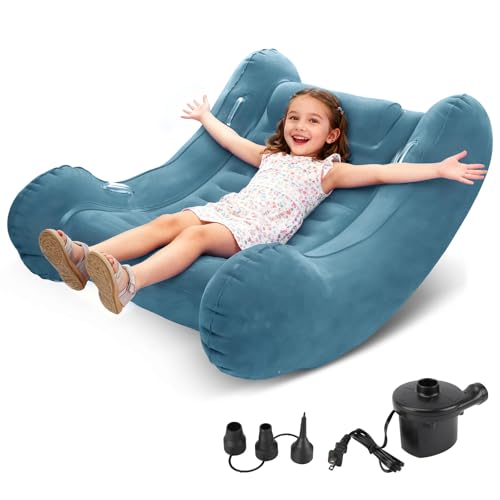
The Toggloo inflatable rocker provides a versatile, multi-sensory experience designed by child therapists. It supports focus and calm while offering movement in a compact, cloud-like form. The chair’s sturdy handles and puncture-resistant PVC with double-stitched seams emphasize safety and durability for both indoor and outdoor use, with the flexibility to flip for climbing or exploring transitions.
TED KANGAROO Sensory Chair — Body Rocker
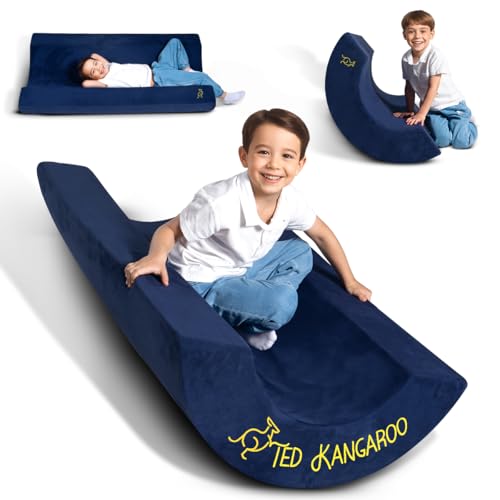
The Body Rocker from TED KANGAROO offers a large, foam-backed sensory rocker that encourages gentle rocking, swaying, and balancing. It supports self-regulation and focus within a sensory-friendly space. Its half-barrel design invites climbing, balance challenges, and varied movement to promote proprioception, core strength, and motor skill development in an engaging, safe form.
Buying Guide: Key Considerations For Choosing A Sensory Rocking Chair
Durability and safety top the list. Look for reinforced seams, puncture-resistant materials, sturdy frames, and safety certifications. Chairs meant for kids with sensory processing needs should resist tearing and provide stable bases to minimize tipping.
Size, weight capacity, and adjustability matter. Consider the child’s age, mobility, and space constraints. A chair with a broad weight limit and comfortable seating can accommodate ongoing growth while staying within a sensory-friendly footprint.
Sensory features should align with needs. Some chairs emphasize deep pressure and proprioceptive input, while others prioritize gentle rocking and nest-like comfort. Decide whether inflatable or solid constructions best suit your home or classroom routine, and whether portability is important for travel or therapy sessions.
Ease of use is essential. Look for quick inflation, simple setup, low-maintenance materials, and options such as detachable pumps. A chair that’s easy to clean and quick to reconfigure supports frequent use without disrupting routines.
Indoor vs. outdoor suitability can expand play opportunities. If outdoor use is desired, ensure weather resistance, UV stability, and materials that tolerate temperature changes. Indoors, a fit that complements room décor and noise considerations helps integrate the chair into daily routines.
Maintenance and cleaning are practical considerations. Fabric and vinyl variants respond differently to cleaning methods. A chair with removable covers or wipe-clean surfaces can simplify housekeeping in busy households or classrooms.
Price and warranty are practical factors. While prices vary, evaluate total cost of ownership, including replacement parts, pumps, and seams. A solid warranty offers assurance against punctures, leaks, or seam failures over time.
Accessibility and ease of access are important for children with varying mobility. A low seat height, stability features, and back support can support a wider range of users and reduce the risk of falls during play.
Therapy alignment matters. If the chair is intended for therapeutic use, consider speaking with a therapist to ensure the chosen design complements existing sensory strategies, goals, and space constraints.