Wobble chairs can help students stay alert, improve posture, and channel excess energy into productive movement. This guide highlights five top wobble chairs and chair feet that are well-suited for classrooms or study spaces, with emphasis on focus, safety, and durability. Each option is designed to support active sitting for students across elementary to middle school ages.
| Product | Brand | Key Benefit | Link |
|---|---|---|---|
| Bouncyband Wiggle Wobble Chair Feet | Bouncy Bands | Improved focus and calming movement | Product Page |
| GoSports 18 Inch Wobble Chair | GoSports | 360° wobble for natural fidgeting and focus | Product Page |
| Studico ActiveChairs | Studico | Posture support and concentration aid | Product Page |
| Simplay3 14″ Play Around Wiggle Chairs | Simplay3 | Improved focus with sensory-friendly design | Product Page |
| Wobble Stool For Kids (FOCUSI) | FOCUSI | Adjustable height and ADHD-friendly seating | Product Page |
Bouncyband Wiggle Wobble Chair Feet

The Bouncyband Wiggle Wobble Chair Feet convert a standard classroom chair into a dynamic seating option. Designed to increase focus through controlled movement, these chair feet encourage rocking, side-to-side motion, and gentle swiveling. The continuous movement helps boost blood flow to the brain, which can enhance attentiveness during lessons. The product targets students who benefit from sensory input and can serve as a calming tool for fidgety learners. By reducing restlessness and providing a safe, quiet outlet for energy, the wiggle feet may contribute to improved on-task behavior and academic engagement.
Key considerations include compatibility with common chair sizes, the ease of installation, and the durability of the feet under daily classroom use. Parents and educators should monitor student comfort and ensure the wobble range remains within safe limits. The product emphasizes silent movement to minimize classroom disruption while fulfilling sensory needs.
GoSports 18 Inch Wobble Chair

The GoSports 18 Inch Wobble Chair is a compact sensory stool designed for active learners. Its 360-degree motion supports natural fidgeting while keeping students seated, which can aid concentration for those with ADD or ADHD. A textured footrest offers sensory rest for restless feet, and the chair is lightweight for easy relocation within a classroom or home study area. The construction uses sturdy HDPE with a non-slip base, supporting a practical weight limit and stability on various indoor surfaces. Built-in handles under the seat help kids grip securely during movement, promoting safe exploration.
Considerations for use include ensuring proper height alignment with desks or tables, supervising movement to prevent tipping, and integrating the chair into a broader flexible seating strategy that complements traditional desks. The design prioritizes safety, ease of cleaning, and portability for quick classroom reconfigurations.
Studico ActiveChairs Kids Wobble Chair

Studico’s ActiveChairs emphasize core strengthening and posture while supporting concentration. This wobble chair is designed to engage the core muscles as students wiggle, lean, and rock during seat time, helping to reduce restlessness that can interfere with tasks. A cushioned top adds comfort for longer study periods and helps prevent fatigue during reading or writing activities. The chair targets younger learners who require physical activity as a component of focused learning, aligning with inclusive classroom seating strategies for diverse sensory needs.
Key considerations include seating height compatibility with desks, overall weight capacity, and the chair’s base stability to prevent tipping during vigorous movement. The soft cushion enhances comfort without compromising balance, making it a practical option for classrooms seeking a balance between movement and focused work.
Simplay3 14″ Play Around Wiggle Chairs (2-Pack)
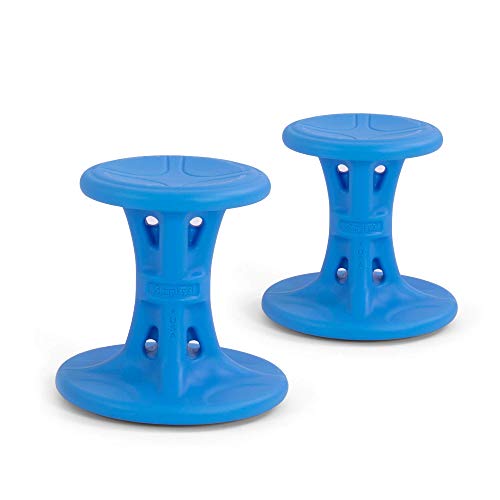
Simplay3’s 14″ Play Around Wiggle Chairs are designed to support active sitting for kids aged 5 to 8. The rounded, cushioned seat includes sensory dots for a steady grip, which can aid and calm restless bodies while maintaining proper posture. This two-pack option provides flexibility for larger classrooms or learning corners, enabling multiple children to engage in focused, movement-assisted learning. The design emphasizes developmentally appropriate motion that promotes concentration without becoming distracting to peers.
Considerations include chair size relative to student height, how the stools integrate with desks, and whether the classroom setup allows for easy transitions between seated and standing activities. The product supports posture development and core engagement, which can contribute to sustained attention during lessons.
Wobble Stool For Kids Ages 7–12 (FOCUSI)

FOCUSI’s Wobble Stool for ages 7–12 features adjustable height and a soft foam cushion, designed to support active seating for children with ADHD/ADD. The height range accommodates growing students, while the three-level BIFMA-compliant lift supports significant user weight and stability. The stool encourages micro-movements such as twisting, rocking, and swiveling as a pathway to improved focus and task participation. The generous base and non-slip rubber bottom provide reliable grounding during movement, making it suitable for classroom flexibility or home study spaces.
Key considerations include ensuring accurate height adjustments to align with desks, evaluating weight capacity for different students, and integrating this stool into a broader system of flexible seating to optimize attention and learning outcomes.
Buying Guide: Key Purchase Considerations
When selecting wobble seating for students, consider the following factors to match classroom goals and safety needs:
- Age and height suitability: Choose chairs with adjustable height or size-appropriate options to ensure proper ergonomics and mobility without sacrificing stability.
- Movement range and safety: Look for stable bases, non-slip feet, and smooth rocking or swiveling ranges that minimize tipping while providing sensory input.
- Durability and cleaning: Classroom environments demand durable materials, easy-to-clean surfaces, and resistance to daily wear-and-tear.
- Weight capacity: Verify weight limits to accommodate a range of students and to prevent chair wear over time.
- Portability and storage: Lightweight designs with easy relocation help teachers reconfigure spaces for different activities.
- Compatibility with desks: Ensure seating height aligns with standard desks or tables in the classroom for comfortable writing and reading tasks.
- Learning integration: Combine wobble seating with a broader flexible seating plan, movement breaks, and classroom routines to maximize benefits.
- Sensory considerations: For students with sensory processing needs, consider texture, cushion firmness, and the availability of sensory-friendly features like textured footrests or sensory dots.
In practice, a mixed approach often yields the best outcomes: include a few wobble chairs for active learners, offer traditional desks for tasks requiring steady posture, and provide calm corners with soft seating for focused work. Regular teacher monitoring helps tailor seating choices to student progress and classroom dynamics.
Additional Notes on Selection
Take note of the environment where seating will be used—home study spaces might prioritize portability and ease of storage, while classrooms may value higher durability and multiple unit availability. Consider the age range in the class, as younger students benefit from lighter, more maneuverable options, whereas older students may require taller stools and sturdier bases. Finally, always test a product for safety compliance and ensure it meets any school district guidelines before purchase.