Finding a chair that supports your back while you work can reduce fatigue and improve posture. This guide highlights five ergonomic chairs designed to ease back pain, featuring adjustable lumbar support, breathable mesh, and sturdy builds. Each option provides different focuses—lumbar customization, headrest support, or reclining comfort—so you can pick the best fit for your desk setup and work style.
| Product | Brand | Key Benefit | Load Capacity |
|---|---|---|---|
| TRALT Office Chair — Black | TRALT | Independent lumbar support with breathable mesh | 330 lbs |
| Marsail Ergonomic Office Chair | Marsail | 2D headrest, 3D armrests, adjustable lumbar support | Not specified |
| EZAKI High Back Office Chair | EZAKI | Built-in lumbar support with variable tilt | 300 lbs |
| Sweetcrispy Office Chair | Sweetcrispy | Ergonomic lumbar support with flip-up arms | Not specified |
| HOMREST Ergonomic Executive Chair | HOMREST | 6-point massage, heating, reclining with footrest | Not specified |
TRALT Black Ergonomic Office Chair

This chair emphasizes comprehensive ergonomic support for the head, back, hips, and arms. Its breathable mesh seat helps with airflow, and the design accommodates up to 330 lbs. A notable feature is the recline function that allows the backrest to tilt between 90° and 120°, or to sit upright, enabling varied postures during long work sessions.
TRALT Black 330lb Wide Seat Chair
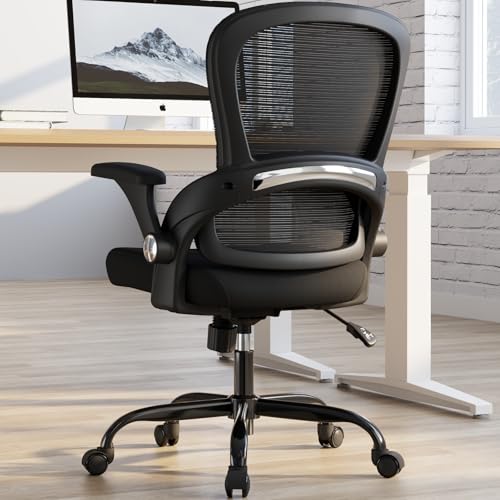
Another variant from TRALT focuses on a wide seat and independent lumbar support designed to contour the spine. The breathable mesh promotes comfort during extended work periods, and the chair’s sturdy base supports robust daily use for tall or larger-framed users who need extra back alignment.
Marsail Ergonomic Office Chair

Marsail offers a fully adjustable configuration, including a 2D headrest and a 90°–120° backrest recline, plus 3D armrests. Its lumbar support adjusts forward/backward and up/down to align with the user’s height, promoting an individualized sitting posture. The mesh back allows airflow, and multiple safety certifications underline its commitment to safe use.
EZAKI High Back Office Chair
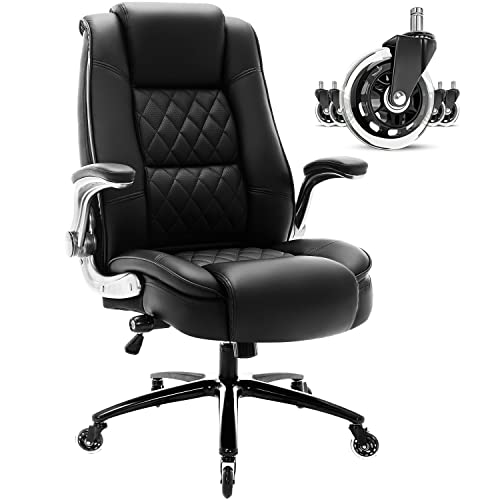
EZAKI’s chair emphasizes a built-in lumbar system with a sturdy frame and a wide seat for easier entry and exit. The chair supports up to 300 lbs and includes a rock feature between 90° and 110°, allowing movement that can help reduce stiffness and promote dynamic sitting throughout the workday.
Sweetcrispy Ergonomic Desk Chair

Sweetcrispy focuses on lumbar support with an all-elastic mesh back and a high-density sponge seat for all-day comfort. Flip-up arms save space when needed, which can help smaller workspaces maintain proper posture without obstruction during movement between tasks.
HOMREST 6-Point Vibration & Heat Chair

HOMREST combines relaxation features with ergonomic support. A 6-point vibration system with multiple massage modes and a built-in heating function targets the back and lumbar areas. The chair reclines up to 155°, includes a retractable footrest, and features adjustable armrests designed to fit varied body sizes and preferences for long work days.
Buying Guide: Key Considerations For Choosing An Ergonomic Chair
- Lumbar Support: Look for independent or highly adjustable lumbar support that matches the curvature of your spine. A chair with forward/backward and up/down lumbar adjustments allows personalized alignment.
- Backrest and Tilt: A backrest offering 90°–120° recline (or more) supports diverse tasks and breaks. A tilt lock and tension control help maintain posture without fatigue.
- Seat Comfort and Depth: A wide, well-cushioned seat with adequate depth supports long sessions without knee pressure. breathable materials reduce heat buildup.
- Armrests: Adjustable arms (height, width, and angle) prevent shoulder strain and enable proper typing posture. Flip-up arms can save space in tight areas.
- Materials and Build: Mesh backs promote airflow; sturdy bases and casters support stability and smooth movement on various flooring.
- Additional Features: Massage or heat can aid relaxation, but consider how these features affect support and cost. Ensure the chair fits your desk height and space.
- Durability and Warranty: Check for certifications (e.g., BIFMA, SGS) and warranty length to gauge long-term value and safety.
- User Fit: Taller or larger users may need wider seats and higher weight capacities. If you’re recovering from back issues, prioritize lumbar adjustability and support zones over extra features.